AI
When Everything Starts to Look the Same: The Problem with Gen-AI Design
2 minutes read
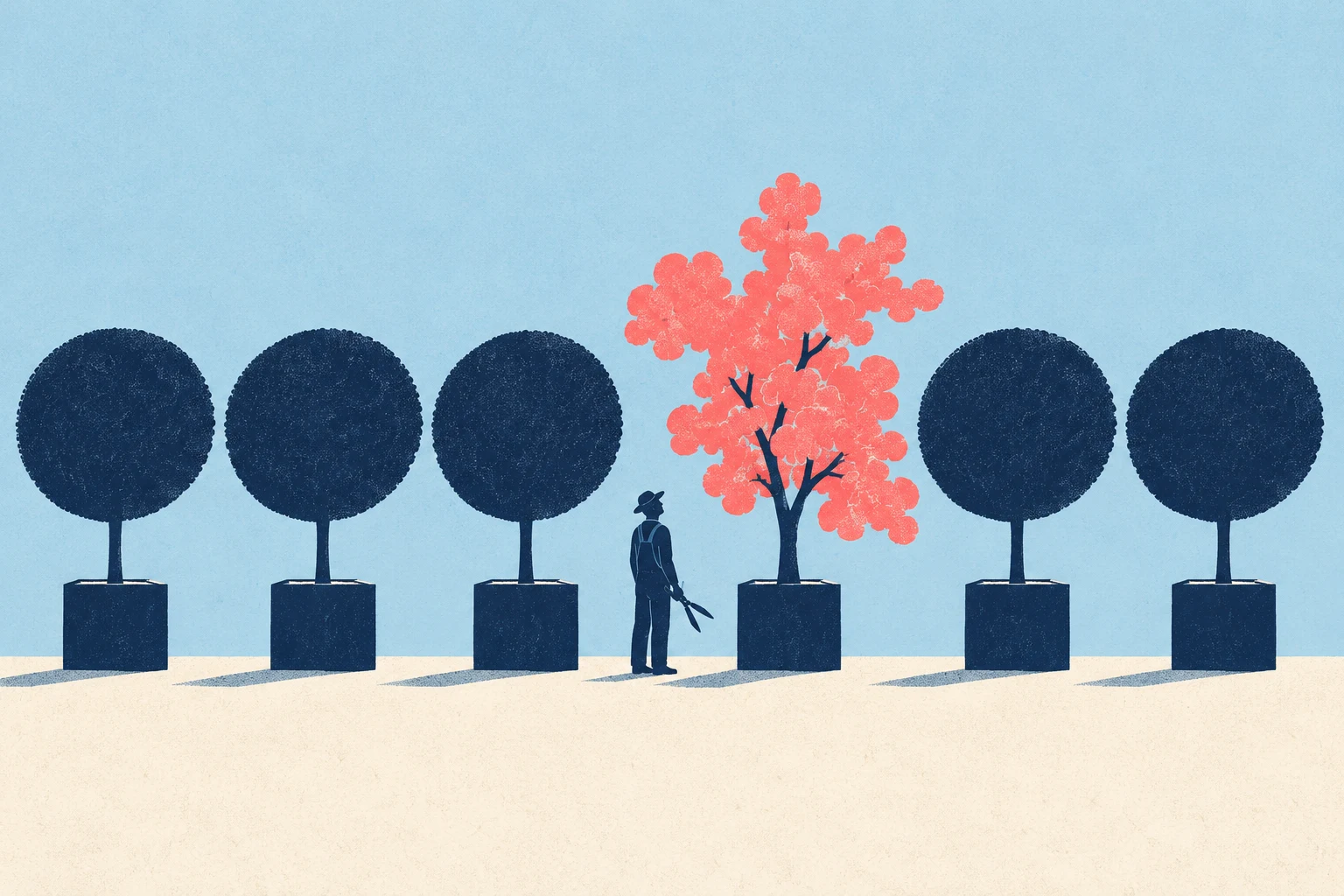
Spend just five minutes scrolling through social media, and you’ll find yourself in a sea of sameness: slick gradients, 3D blobs, rounded corners, and friendly sans-serifs floating in space.
It’s good, indistinguishable design - it brings safety and familiarity, but it’s devoid of personality.
This isn’t new. It’s been this way for a while, and now it’s getting worse with AI-assisted design. That’s the challenge.
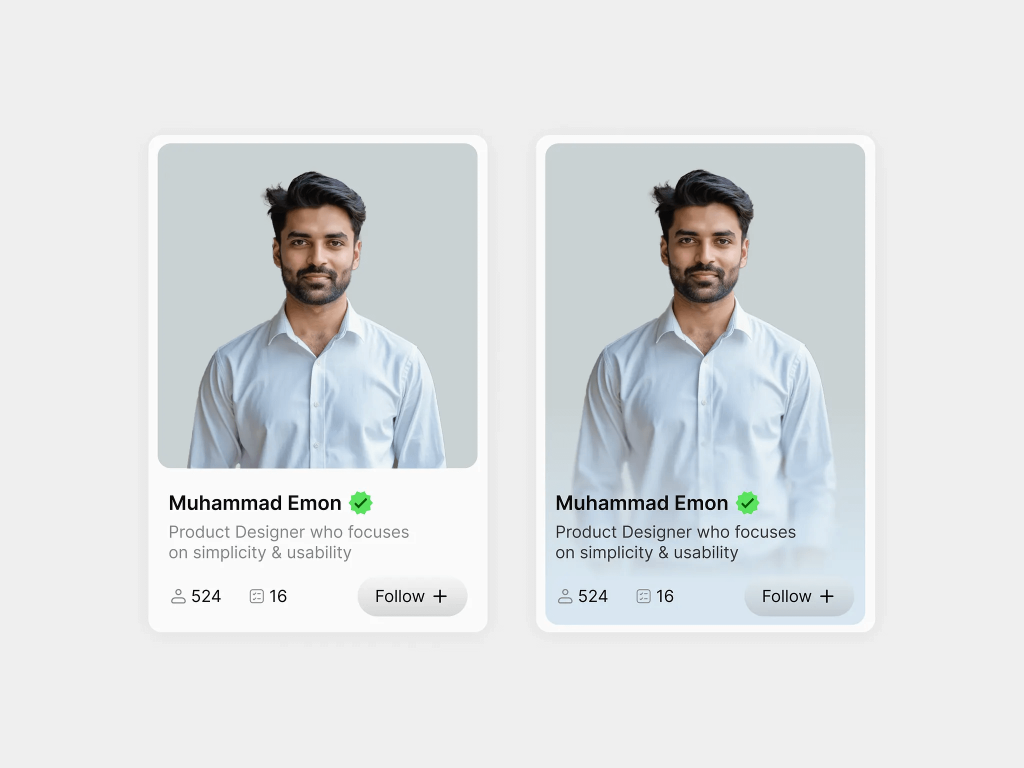
Generative AI doesn’t break the cycle, it accelerates it
Generative AI, trained on trends, simply replicates those same trends, overwhelming the creative scene with endless variations of the same. Templates create more templates. It’s a design cycle that repeats itself with aesthetic details polished in Figma.
Taste is judgment, not execution
All the skill in the world doesn’t account for taste and personality. It’s not about the ability to make something look good - it’s the judgment to recognize what’s actually good.
Design isn’t just decoration. Design means making decisions: context, clarity, tension, and restraint. It’s solving real problems for real people in specific moments, not just checking boxes on what looks right.
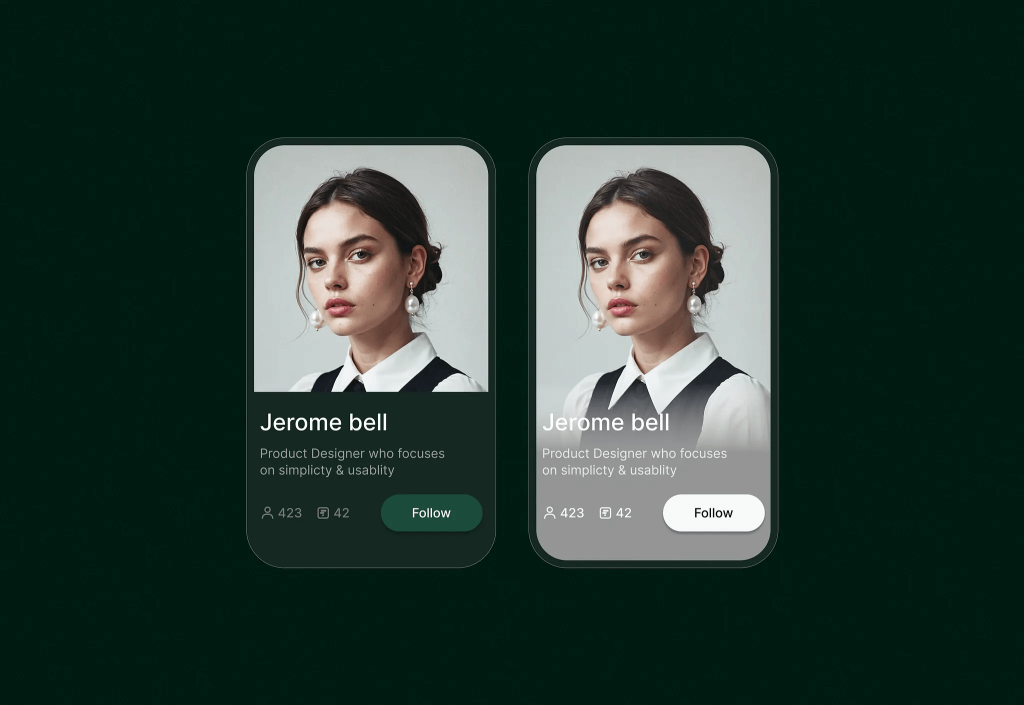
We don’t need tools that just produce more stuff. We need ones that help us make better-informed choices.
How we actually use AI
At Toasty Labs, we of course use AI, but we don’t idolize it. Speed and scale have no value without good judgment. A model can remix a thousand layouts - which we sometimes need - but it can’t determine which one works best, or why. That takes experience that can’t always be explained immediately in words. That’s human insight. It comes from the willingness to explore and revise, to rebuild, and to ask the tough question: what is this really for? Can it be done in a better way that maybe hasn’t been done before?
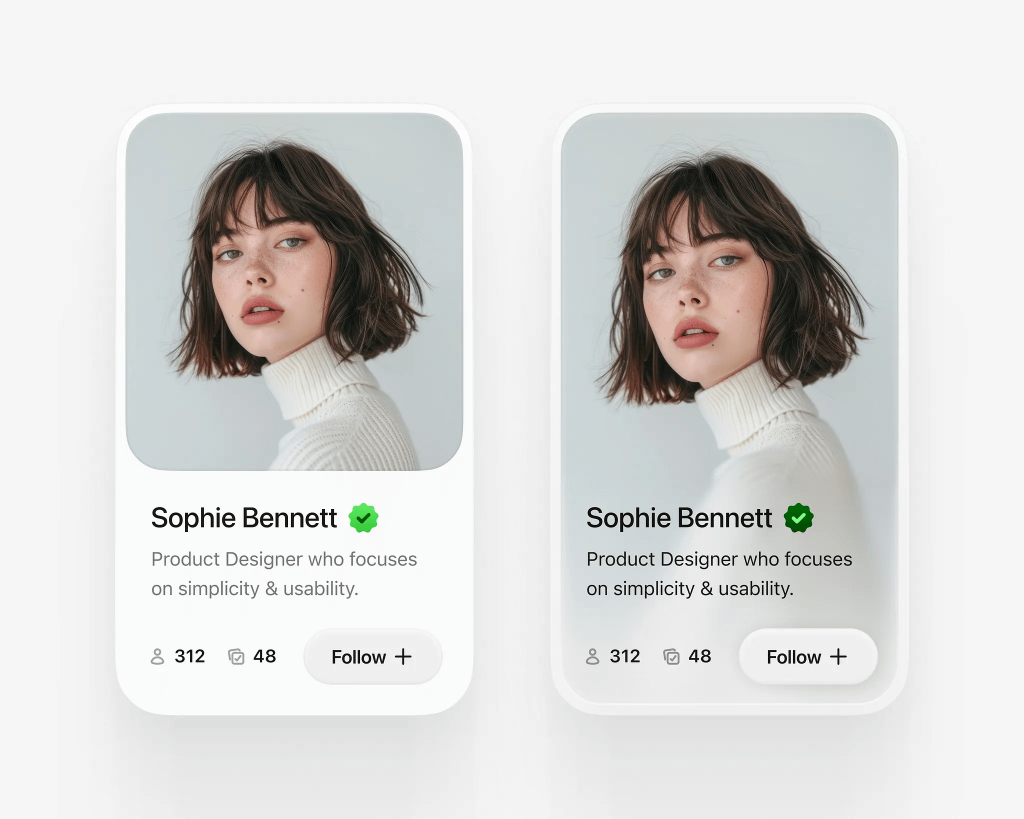
Great design doesn’t come from having an unlimited number of options. It comes from clarity, conviction, taste, and personality - things you can’t automate, at least not yet.
Design has to make technology usable by humans
At the end of the day, design needs to make technology accessible to humans. And, surprise surprise, we still need humans for that.