Services: Product Design
Krado
Designing the UX of smarter plant care.
- Client
- Krado
- Industry
- IoT / smart home
- Service
- Mobile UX/UI
About the project
Krado is an IoT-driven platform that helps people care for plants through real-time data, personalized guidance, and intuitive tools. From soil sensors to a mobile app, the ecosystem connects plants with people in a whole new way.
Challenge & Solution
Make plant care
feel effortless.
Krado had a working hardware prototype and a vision for modern plant care, but the experience needed to make setup and plant-health data feel clear from the first use.
Translate sensor data into calm, actionable guidance.
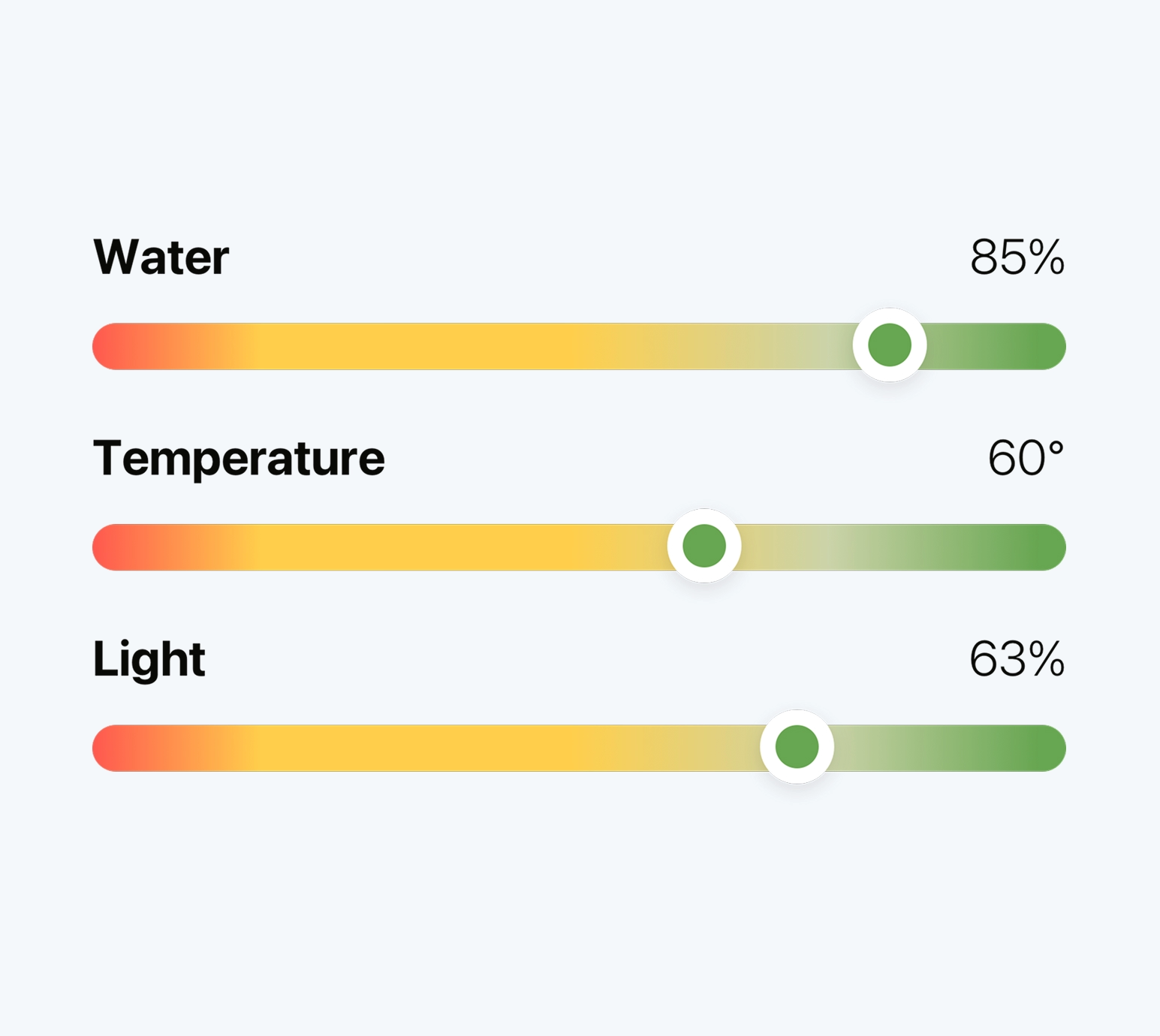
We designed clear setup flows, human-readable plant metrics, and helpful feedback so users can understand what their plants need without a manual.
A flexible interaction layer for plant care
We redesigned the digital experience from sensor setup through navigation and dashboard logic, creating a system that can support more plants, locations, and future features.
Onboarding
- Sensor pairing
- Plant setup
- Location selection
Product UX/UI
- Mobile flows
- Navigation
- Feedback states
Information design
- Plant health
- Environmental data
- Trends
Design system
- Reusable patterns
- Flexible future features
Designing the interaction layer
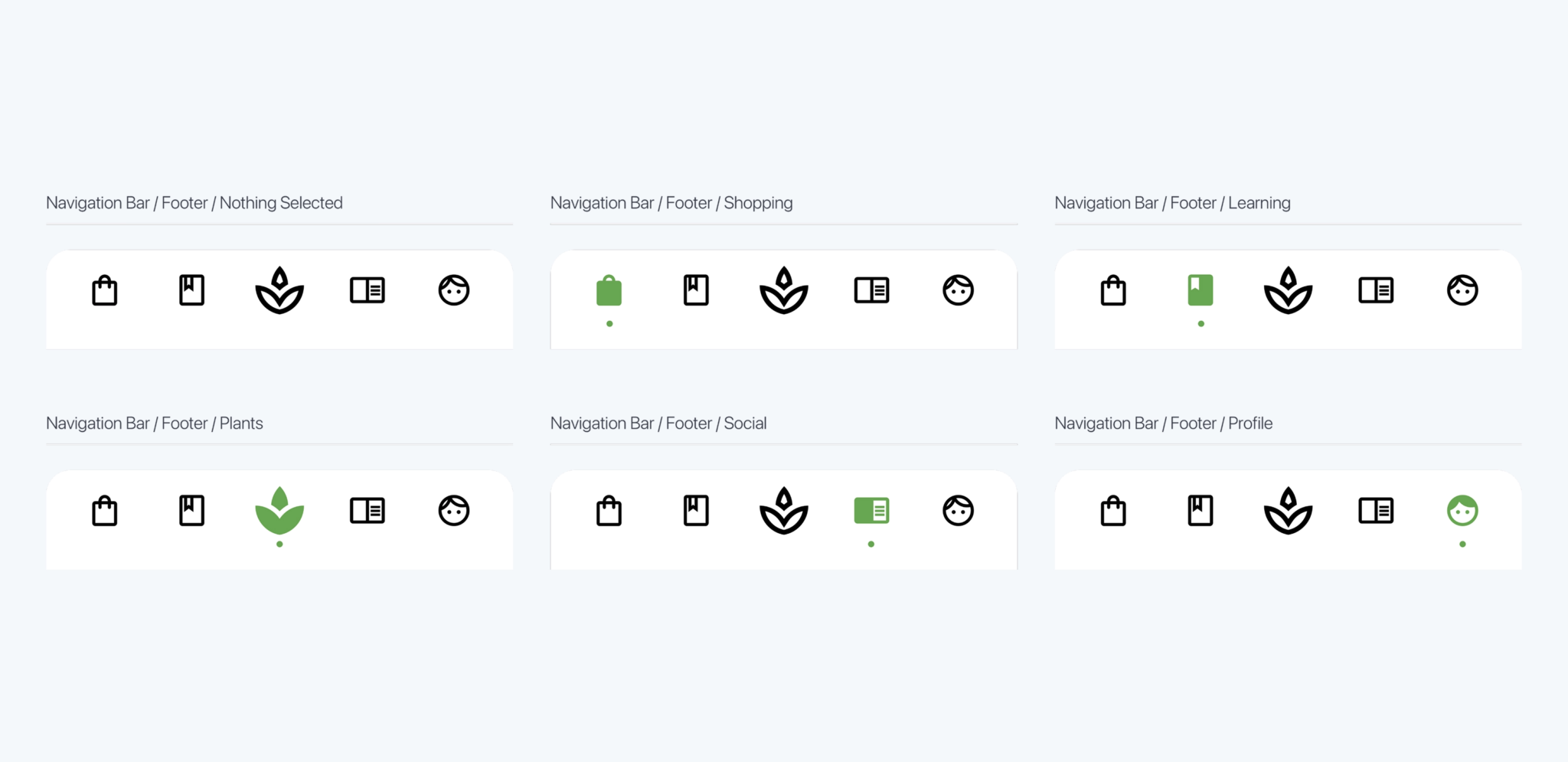
The core challenge was making environmental sensor data human-readable. We simplified navigation through a clean, icon-driven language and designed dynamic feedback to help users understand and act on each plant’s needs.
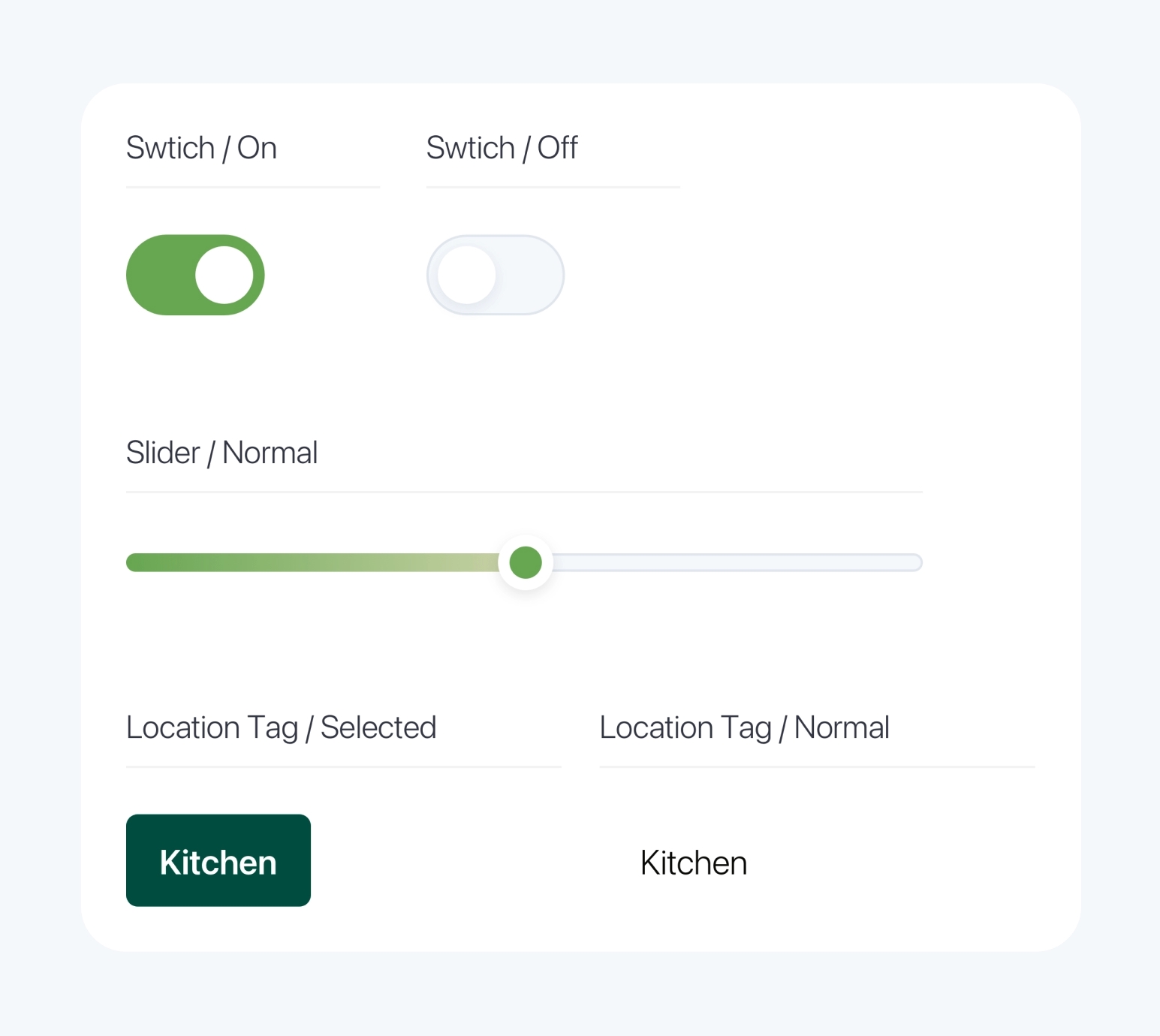
Flexible tagging, location switching, and trend tracking let the system grow from one plant to a whole home without changing the mental model.
Onboarding that starts with success
Our onboarding flow removes friction at every step. Whether pairing sensors, assigning plant types, or choosing room locations, users are guided with clarity before the first watering reminder lands.
Interactive microstates, animations, and subtle haptics create a calm but responsive rhythm throughout the app.
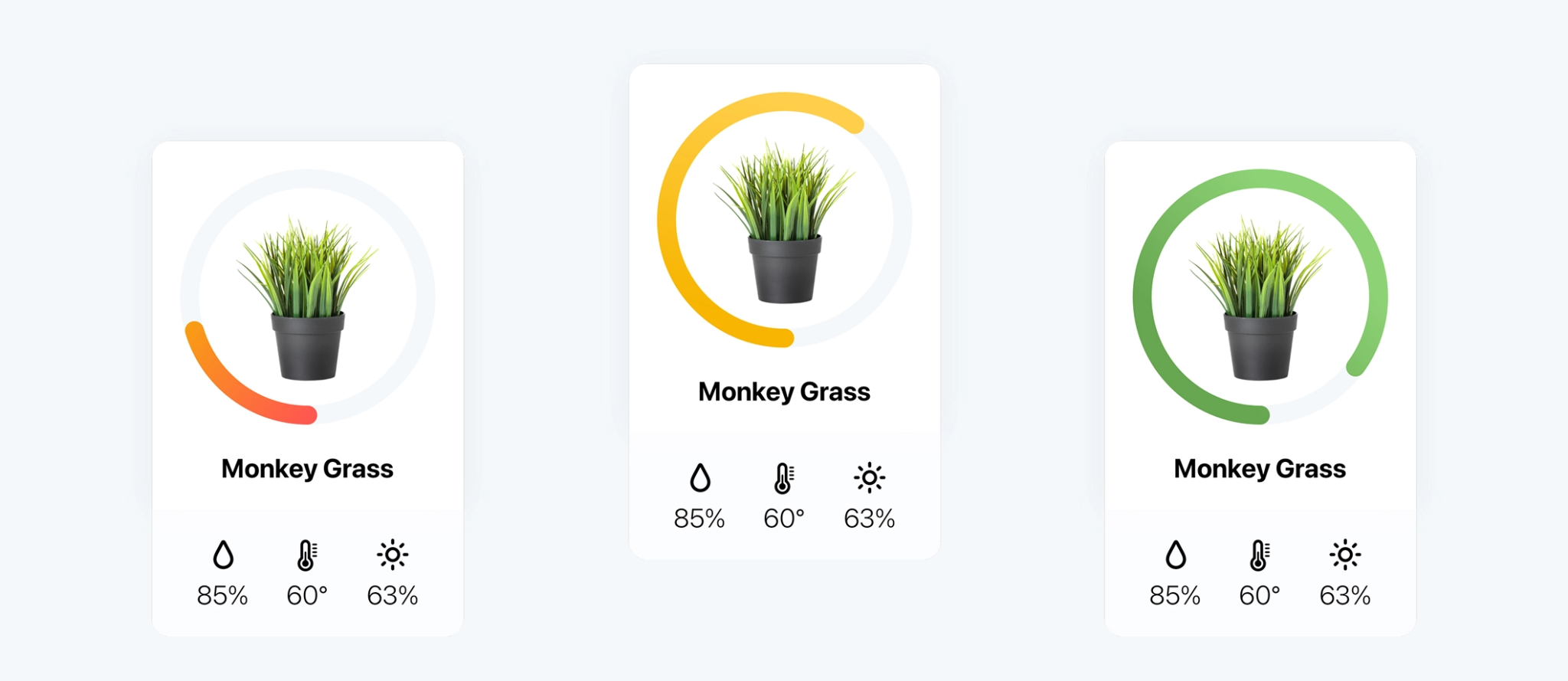
Plant care overview
Locations, plant status, and care progress come together in one mobile overview.
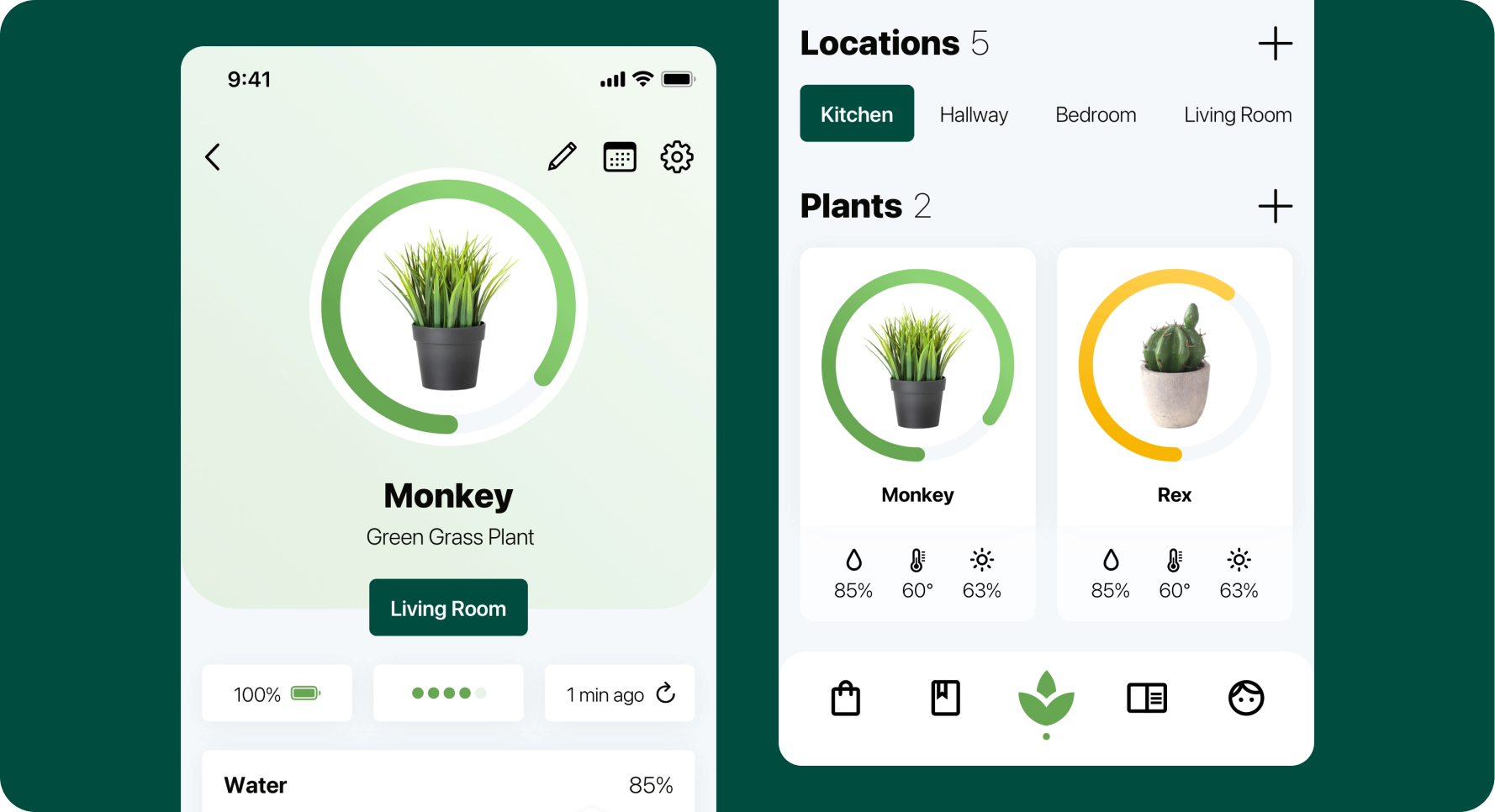
Project outcome
A product that helps people feel like better plant parents.
Krado now delivers a clean, intuitive experience for understanding plant health. The design system is scalable and flexible enough to support future automation, social sharing, and smart recommendations.
Ready to create?